
Blog
The cultural significance of gambling Exploring its role in societal evolution
The cultural significance of gambling Exploring its role in societal evolution
Historical Perspectives on Gambling
Gambling has been a part of human culture for centuries, dating back to ancient civilizations. Archaeological findings suggest that early forms of gambling emerged in Mesopotamia, where dice made from bones were used in games of chance. This historical context highlights gambling’s role not just as a pastime but as a significant aspect of social gatherings and rituals, reflecting the values and beliefs of those societies. Many people today engage in various forms of gaming, including real poker online, which connects back to these ancient traditions.
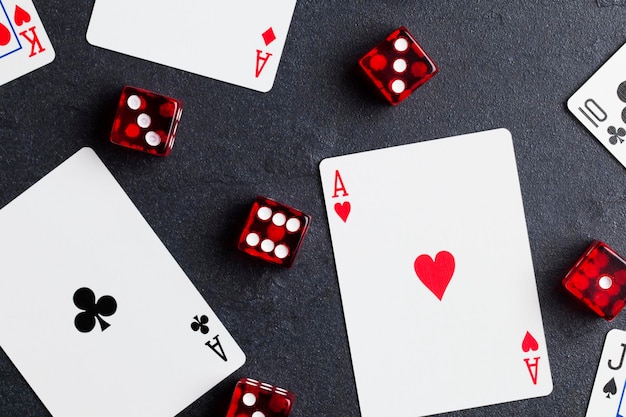
Throughout history, various cultures have embraced gambling differently. In ancient Rome, for instance, betting was prevalent during gladiatorial games, showcasing the intersection between entertainment and risk. Such practices not only entertained the masses but also served as a means of economic exchange, influencing societal structures and hierarchies.
The Psychological Appeal of Gambling
The allure of gambling is deeply rooted in human psychology. The thrill of taking risks and the potential for substantial rewards create an emotional high that can be addictive. Psychologists suggest that the excitement associated with gambling taps into our innate desires for adventure and fortune, fostering a sense of agency and control over outcomes.
This psychological phenomenon has evolved alongside societal developments. As cultures modernized, the availability and variety of gambling expanded, with online platforms and apps making it accessible to a broader audience. This evolution has sparked discussions about responsible gambling, mental health, and the societal implications of widespread gambling participation.
Gambling in Modern Society
In contemporary culture, gambling has transitioned from traditional venues to digital platforms. Online gambling apps have transformed how individuals engage with games of chance, providing convenience and accessibility. This shift reflects broader technological advancements and changing societal norms regarding risk-taking and leisure activities.
Modern gambling often intersects with entertainment industries, particularly sports and gaming. The integration of betting options within sports broadcasts has made gambling a staple of the viewing experience, further embedding it into the fabric of daily life. This cultural blending raises questions about ethical considerations and the potential impacts on societal values.
The Societal Impacts of Gambling
Gambling can significantly affect societal dynamics, influencing economic structures and social interactions. In many regions, legalized gambling generates substantial revenue for local economies, funding public services and infrastructure. However, it also raises concerns about addiction and its consequences on families and communities.
The dual nature of gambling’s societal impact illustrates its complexity; while it can drive economic growth and socialization, it also poses risks that necessitate responsible management. As societies continue to grapple with these dynamics, the cultural significance of gambling remains a topic of ongoing debate and exploration.

Engaging with Gambling Culture Online
The rise of digital platforms has transformed how people interact with gambling culture. Websites dedicated to sports broadcasting and gambling provide real-time updates, analysis, and community engagement, creating a space for enthusiasts to connect. These platforms facilitate discussions about strategies, trends, and responsible practices, reinforcing the cultural significance of gambling in the modern era.
As users navigate these online environments, they encounter a blend of information and entertainment that shapes their understanding of gambling. This digital evolution highlights the importance of maintaining safety and security in online gambling experiences, ensuring that participants can engage responsibly while enjoying the cultural facets of this age-old activity.